
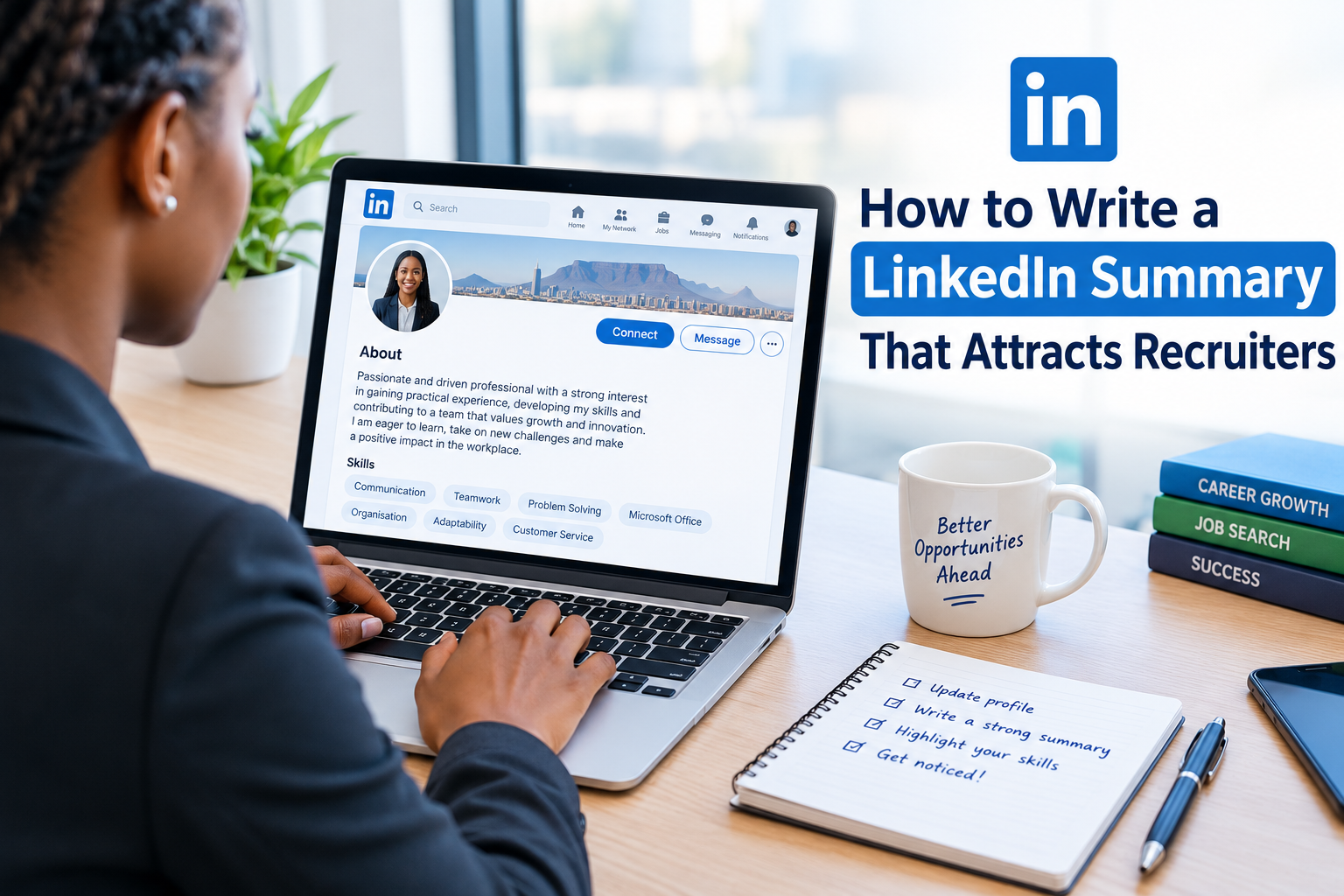
In today’s competitive job market, having a LinkedIn profile is an important step towards building your professional reputation and connecting with potential employers. Whether you are a recent graduate, an experienced professional, a student looking for opportunities or someone planning a career change, your LinkedIn profile can help you stand out from other candidates. However, simply creating a profile is not enough. You need to make sure that it communicates your skills, experience, personality and career goals effectively.
One of the most important sections of your LinkedIn profile is your summary, also known as the About section. This is where you introduce yourself professionally, explain what you do, highlight your strengths and tell people what makes you a valuable candidate.
A well-written LinkedIn summary can encourage recruiters to learn more about you, help potential employers understand your experience and make your profile more memorable. The good news is that you do not need to be an expert writer to create an effective summary. With the right approach, you can write a professional introduction that reflects who you are and what you can offer.
What Is a LinkedIn Summary?
A LinkedIn summary is a short professional introduction that appears in the About section of your LinkedIn profile. It gives you an opportunity to explain your background, skills, achievements, interests and career ambitions in your own words.
Unlike your CV, which usually focuses on employment history, qualifications and responsibilities, your LinkedIn summary allows you to tell your professional story. You can explain what motivates you, what you have learned through your experience and the type of opportunities you are interested in pursuing.
For example, a recent graduate can use the summary to highlight relevant academic projects, practical training, transferable skills and career interests. An experienced professional may focus on industry knowledge, achievements and the value they bring to an organisation.
The purpose is to help people quickly understand who you are professionally and why they should consider connecting with you.
1. Start With a Strong Introduction
The opening lines of your LinkedIn summary are important because they introduce you to anyone viewing your profile. Start with a clear statement about your professional identity, experience or career interests.
Avoid beginning with vague statements that could apply to almost anyone. Instead, explain what you do, what you have studied or what area you want to develop your career in.
For example, instead of writing, “I am a hardworking person who is looking for opportunities,” you could write:
“I am a motivated Electrical Engineering graduate with an interest in electrical maintenance, industrial systems and renewable energy. I am passionate about applying my technical knowledge to practical challenges while continuing to develop my skills in the engineering industry.”
This introduction gives readers a better understanding of your background and professional interests.
If you are an experienced worker, mention your occupation, specialisation or industry. If you are a student or job seeker with limited experience, focus on your studies, strengths and willingness to learn.
2. Highlight Your Most Relevant Skills
Your LinkedIn summary should communicate the skills that make you suitable for your chosen career path. These may include technical skills, communication, teamwork, problem-solving, organisation or customer service.
Try to focus on skills that are relevant to the opportunities you want to pursue. For example, someone applying for administrative positions may highlight record keeping, data capturing, Microsoft Office and communication skills. An engineering candidate may mention maintenance, troubleshooting, technical documentation and equipment operation, provided these skills reflect their actual experience.
You should also avoid listing too many unrelated abilities. A focused summary makes it easier for recruiters to understand your strengths.
Where possible, explain how you have used your skills rather than simply naming them. For example, you could mention that you developed teamwork and problem-solving skills through group projects, workplace training or previous employment.
Remember to be honest about your abilities. Your summary should present you positively without exaggerating your experience or claiming skills you do not possess.
3. Show Your Achievements and Experience
A strong LinkedIn summary goes beyond describing your responsibilities. It also highlights what you have accomplished, learned or contributed.
If you have work experience, consider mentioning a project you completed, a process you helped improve, a target you achieved or a responsibility that demonstrates your competence.
For example, a customer service professional might explain how they handled customer enquiries, resolved complaints and supported daily business operations. An engineering technician could highlight experience with equipment inspections, preventative maintenance or troubleshooting.
If you have never held a formal job, do not assume that you have nothing valuable to include. Academic projects, volunteering, internships, learnerships, practical assignments and leadership roles can all demonstrate useful skills.
For example:
“Through my studies and practical projects, I have developed an understanding of technical problem-solving, teamwork and workplace safety. I am eager to build on this foundation through an entry-level opportunity where I can contribute while gaining practical experience.”
This approach helps employers recognise your potential even if you are just starting your career.
4. Let Your Personality Come Through
Your LinkedIn summary should sound professional, but it should also sound like you. Avoid copying generic descriptions from other profiles or filling your summary with phrases such as “results-driven individual” without explaining what they mean.
Think about what motivates you, the type of work you enjoy and the professional values that matter to you.
For example, you might enjoy solving technical problems, helping customers, organising information, working with people or finding better ways to complete tasks.
You do not need to share private personal information. Instead, give readers a sense of your professional interests and working style.
A genuine summary is often more engaging than a paragraph filled with buzzwords. Use clear language and write in a way that makes it easy for people to understand your professional story.
5. Include Relevant Keywords
Keywords are important when optimising your LinkedIn profile for your career goals. Recruiters may search for particular job titles, qualifications, skills, industries and areas of expertise when looking for suitable candidates.
If you want to work in accounting, for example, relevant keywords might include bookkeeping, financial reporting, accounts payable, accounts receivable and Microsoft Excel, depending on your qualifications and experience.
For an IT professional, suitable terms might include software development, technical support, networking, cybersecurity or database management.
South African job seekers can also include relevant qualifications and professional designations, such as N6, National Diploma, trade qualifications or other credentials where applicable.
However, keywords should fit naturally into your writing. Avoid repeating the same phrases unnecessarily or adding skills that you do not have.
Review job advertisements for the positions you want and identify the recurring requirements. Use the relevant terms in your summary when they accurately describe your background.
6. Explain What You Want to Achieve
Your summary should give readers an idea of your professional direction. This does not mean you must have your entire career planned out. It simply means explaining the type of work, challenges or opportunities that interest you.
For a graduate, this could involve gaining practical experience and developing industry knowledge. An experienced professional might want to move into management, specialise in a particular field or take on more complex projects.
For example:
“I am interested in opportunities that will allow me to contribute to meaningful projects, strengthen my technical abilities and collaborate with experienced professionals. I am particularly interested in roles involving maintenance, troubleshooting and continuous improvement.”
A clear statement of your interests can help recruiters determine whether your profile matches the roles they are trying to fill.
If you are open to several related opportunities, describe the common skills or industries that connect them rather than listing every possible job title.
7. Make Your Summary Easy to Read
Recruiters and other LinkedIn users may review many profiles in a short period. A long, crowded paragraph can make your summary difficult to follow.
Use short paragraphs, straightforward sentences and a logical structure. Each paragraph should communicate a clear idea.
A useful structure is:
- Introduction: Explain who you are professionally.
- Skills and experience: Highlight your qualifications, relevant abilities and achievements.
- Professional interests: Describe the work you enjoy or the areas you want to develop.
- Career goals: Explain what opportunities interest you.
- Call to action: Invite people to connect or discuss relevant opportunities.
You do not need to include every detail about your career. Your LinkedIn summary should encourage readers to explore the rest of your profile, including your experience, education, skills and recommendations.
Before publishing, check your spelling, grammar and punctuation. Read the summary aloud to see whether it sounds natural and professional.
8. Add a Professional Call to Action
A call to action gives readers a simple way to engage with you. Depending on your goals, you could invite recruiters to contact you about relevant positions, encourage professionals in your industry to connect or express interest in networking.
For example:
“I welcome opportunities to connect with professionals in the engineering industry, learn from experienced teams and explore suitable entry-level opportunities.”
If you are an established professional, your call to action might focus on industry collaboration, consulting enquiries or professional networking.
Keep it polite and specific. You do not need to ask every reader for a job. The goal is to make it easier for people to start a relevant professional conversation.
LinkedIn Summary Example for a Recent Graduate
Here is an example that graduates and entry-level job seekers can adapt to their own backgrounds:
“I am a motivated and career-focused graduate with a strong interest in developing my professional skills and gaining practical experience in the workplace. Through my studies, I have developed communication, teamwork, problem-solving and organisational skills that I am eager to apply in a professional environment.
I am committed to continuous learning, personal development and delivering quality work. I enjoy taking on new challenges, working collaboratively with others and finding practical solutions to problems.
I am interested in opportunities that will allow me to apply my knowledge, gain valuable industry experience and contribute positively to an organisation. I believe that a willingness to learn, a responsible attitude and a commitment to improvement are important foundations for long-term career growth.
I welcome opportunities to connect with recruiters, employers and professionals who share an interest in learning, development and career growth.”
Important: Personalise this example before using it. Include your actual qualification, career field, relevant skills and interests. A specific summary is more useful than a generic one.
Common LinkedIn Summary Mistakes to Avoid
Even a well-intentioned summary can become less effective if it contains avoidable mistakes. Keep the following points in mind:
- Being too vague: Explain your professional background and strengths instead of relying on general statements.
- Copying someone else’s summary: Use your own experience, goals and language to create an authentic introduction.
- Writing one long paragraph: Break your content into shorter sections for easier reading.
- Exaggerating your abilities: Be honest about your experience, qualifications and skills.
- Ignoring keywords: Include relevant job titles, technical skills and industry terms naturally.
- Focusing only on yourself: Explain how your skills, knowledge and interests could contribute to a workplace.
- Forgetting to proofread: Correct spelling and grammar errors before publishing your summary.
- Leaving your profile outdated: Update your summary when you gain new skills, qualifications, experience or career interests.
Final Tips for Writing Your LinkedIn Summary
Writing a LinkedIn summary that gets you noticed does not require complicated language or an impressive list of achievements. What matters most is communicating your professional identity clearly, highlighting relevant skills and showing readers what you can offer.
Whether you are a student, recent graduate, unemployed job seeker or experienced professional in South Africa, your summary should reflect your actual background and career ambitions. Use relevant keywords, provide examples where possible and make your writing easy to read.
Remember that your LinkedIn summary is only one part of your professional profile. For the best results, keep your headline, experience, education, skills and profile photo consistent with the image you want to present to potential employers.
Take time to review your summary regularly as your career develops. Even small improvements can make your profile clearer, more relevant and more professional.
Start today: Open your LinkedIn profile, review your About section and ask yourself whether a recruiter could quickly understand who you are, what you do and the value you could bring to an organisation. If the answer is yes, you are moving in the right direction.
A strong LinkedIn summary will not guarantee a job, but it can help you make a better first impression, build professional connections and communicate your career potential more effectively.
Check also: How to Prepare for Job Interviews as a Beginner in South Africa