
How to Find Legit Job Vacancies Online
How to Find Legit Job Vacancies Online (Step-by-Step Guide)
Finding a job online has never been easier — and riskier. Thousands of vacancies are posted daily across job boards, company websites, and social media. Unfortunately, scammers also exploit this convenience with fake listings, phishing emails, and fraudulent “recruiters.”
If you want to avoid wasting time and protect yourself while landing real opportunities, this step-by-step guide will walk you through how to find legitimate job vacancies online safely and effectively.
Step 1: Start With Trusted Job Platforms
Your safest starting point is well-known and reputable job websites. These platforms verify employers, moderate listings, and offer reporting tools for suspicious activity.

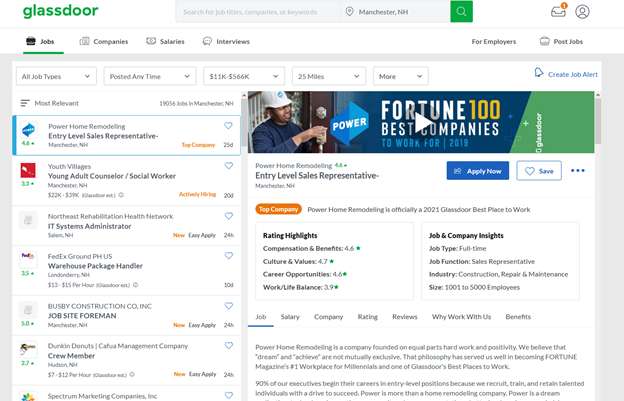
Popular trusted platforms include:
- LinkedIn – Especially the LinkedIn Jobs section, where you can view recruiter profiles and company details.
- Indeed – Aggregates listings from multiple sources and company career pages.
- Glassdoor – Offers company reviews and salary insights alongside job listings.
- Monster – One of the oldest online job boards.
Why this matters:
Reputable platforms reduce (though don’t eliminate) the chances of scams. They also allow you to research employers before applying.
Step 2: Research the Company Before Applying
Never apply blindly. Even if a job looks legitimate, always verify the company.
How to check:
- Visit the official company website.
- Look for a “Careers” page.
- Compare the job listing with what’s posted there.
- Check if the recruiter’s email matches the company domain (e.g., name@company.com).
You can also search the company name + “scam” or “reviews” in your search engine to see if others have reported suspicious activity.
If the job is real, it should appear either on the company’s official website or on credible platforms.
Step 3: Watch for Red Flags in Job Listings
Scam job posts often share common warning signs. Be cautious if you notice:
- Unrealistically high salaries for simple tasks
- Vague job descriptions
- Poor grammar or spelling
- Requests for personal information (bank details, ID copies) upfront
- Requests for payment (for training, equipment, or processing fees)
A legitimate employer will never ask you to pay to get hired.
Pro Tip:
If something feels “too good to be true,” it usually is.
Step 4: Use Advanced Search Filters
Instead of scrolling endlessly, narrow your search using filters:
- Location (remote, hybrid, on-site)
- Salary range
- Job type (full-time, part-time, contract)
- Experience level
- Industry
Using filters not only saves time but helps you focus on relevant opportunities. It also reduces exposure to spam listings in unrelated categories.
Step 5: Apply Directly Through Official Channels
Whenever possible, apply through:
- The company’s official website
- Verified job boards
- Confirmed recruiter profiles
Avoid sending your CV via random messaging apps like WhatsApp or Telegram unless you have verified the recruiter’s identity through official channels.
If you are contacted first, ask for:
- The recruiter’s full name
- Their official company email
- A link to the job posting
Professional recruiters will not hesitate to provide verification.
Step 6: Protect Your Personal Information
Your personal data is valuable. Be cautious about what you share and when.
Safe to share initially:
- Resume
- Cover letter
- Portfolio links
Do NOT share early:
- National ID numbers
- Bank account details
- Passwords
- Credit card information
Legitimate employers request sensitive information only after a formal offer and during official onboarding processes.
Step 7: Leverage Professional Networking
Networking significantly increases your chances of finding real job opportunities.




Ways to network effectively:
- Optimize your LinkedIn profile.
- Connect with professionals in your industry.
- Join relevant LinkedIn or industry groups.
- Attend virtual or in-person job fairs.
- Engage with company posts and recruiters online.
Often, legitimate roles are filled through referrals before they are widely advertised.
Step 8: Set Up Job Alerts
Most major job platforms allow you to create job alerts based on your preferences.
This helps you:
- Receive new listings directly in your inbox
- Apply early (which increases your chances)
- Avoid repeatedly searching the same keywords
Being among the first applicants can give you a competitive advantage.
Step 9: Track Your Applications
Create a simple spreadsheet to track:
- Company name
- Job title
- Date applied
- Contact person
- Interview status
This helps you stay organized and avoid accidentally applying to the same suspicious listing multiple times.
Step 10: Trust Verified Remote Job Platforms (If Working Remotely)
If you are specifically looking for remote work, focus on trusted remote-specific platforms.
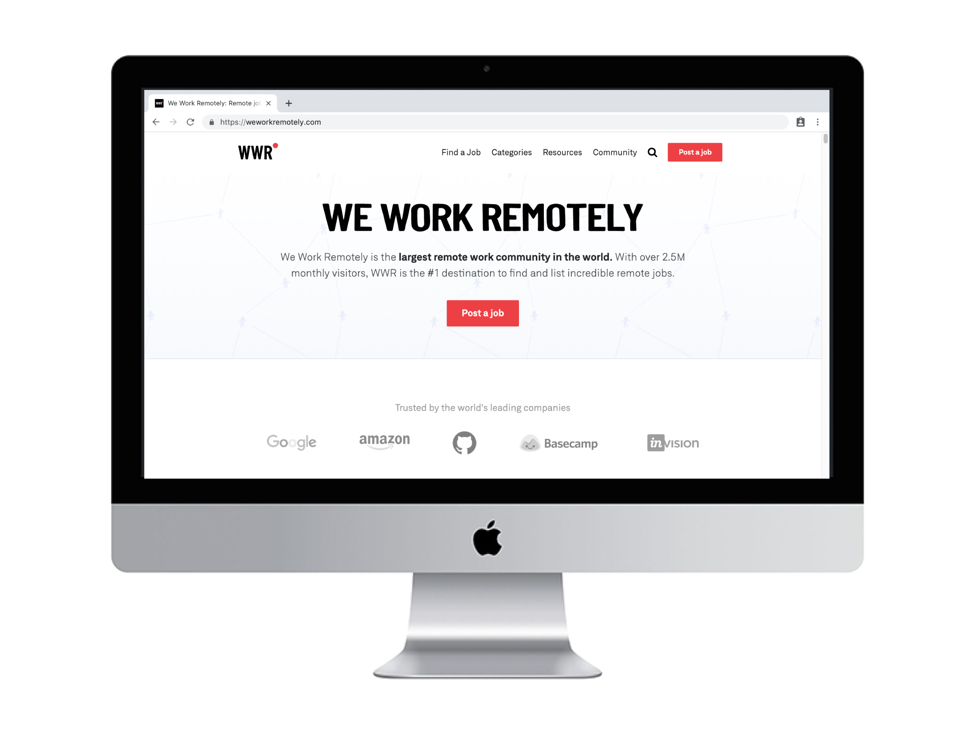
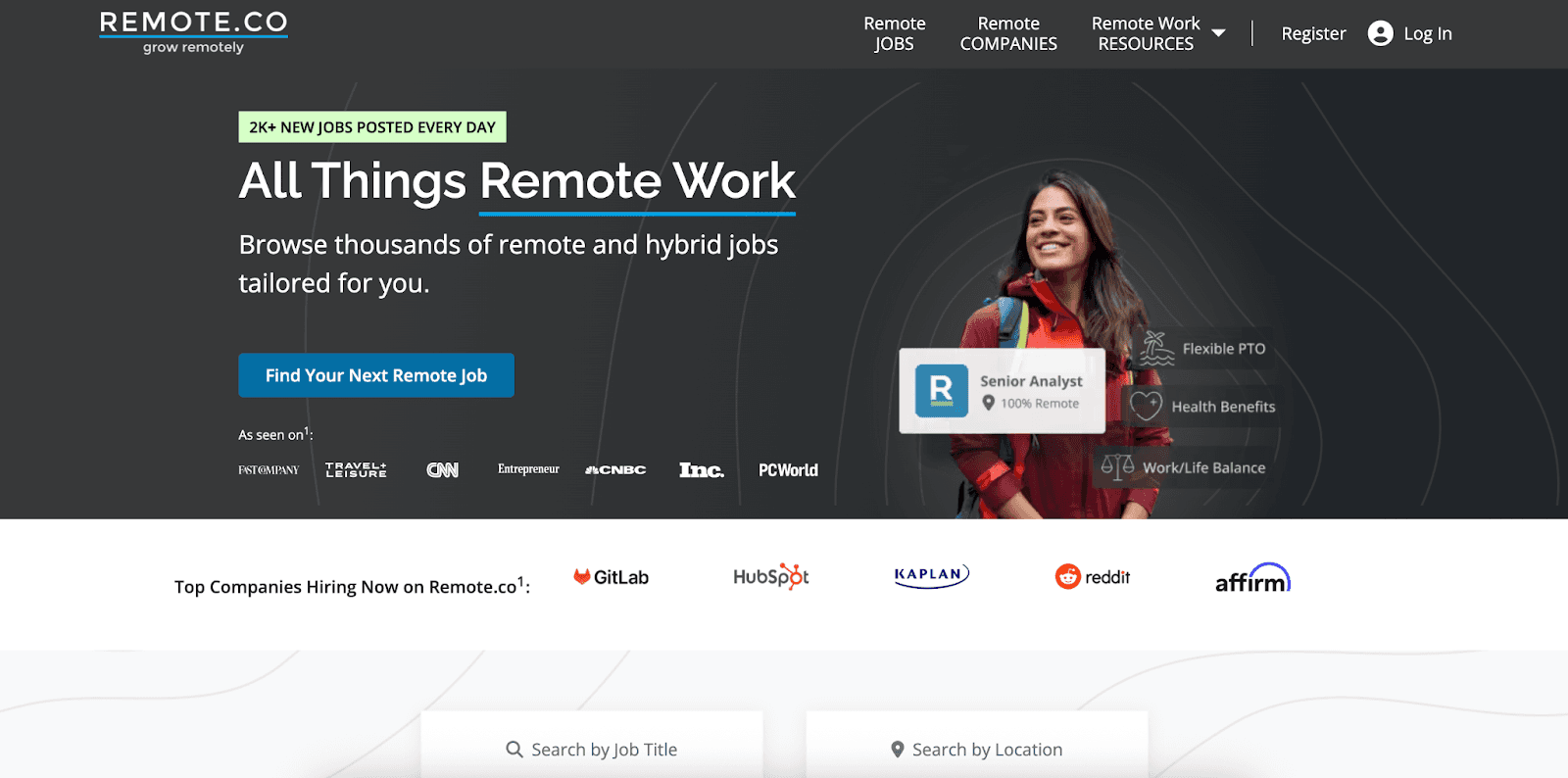
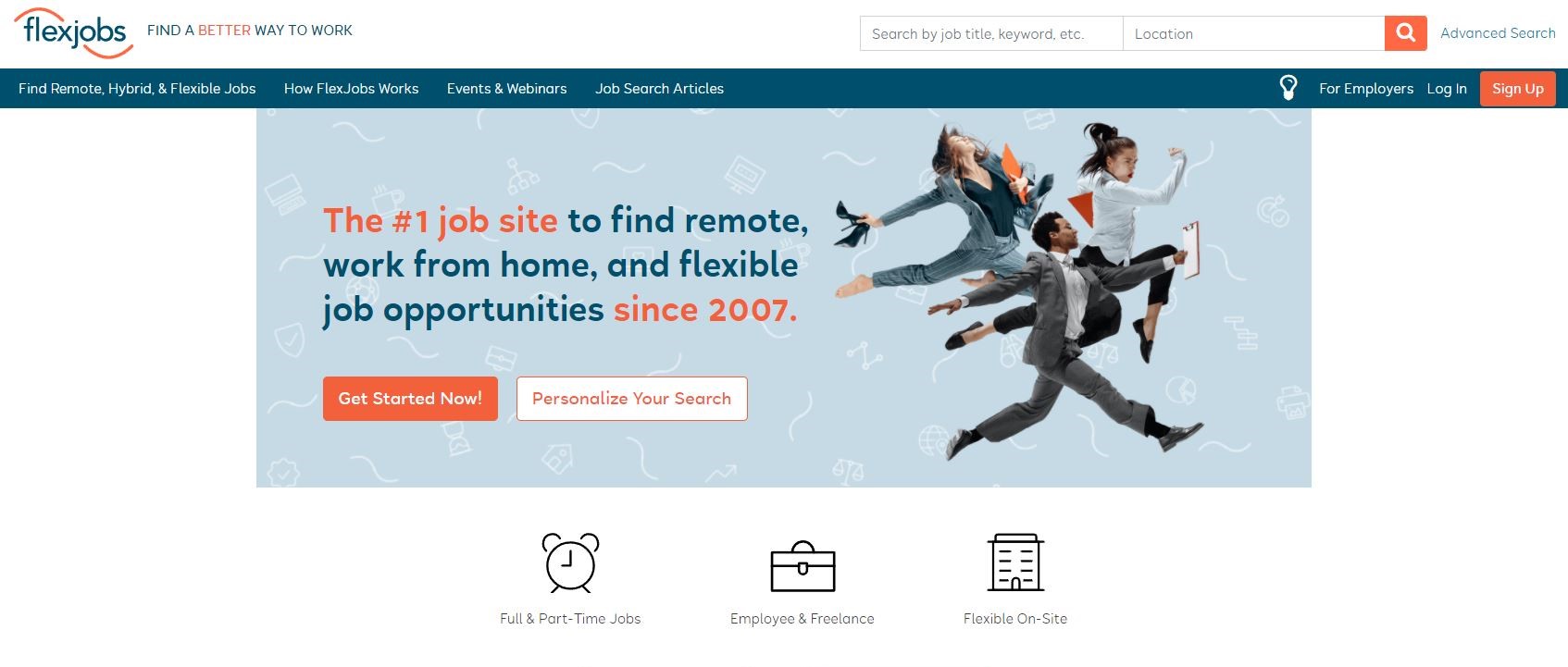

Some reliable remote job sites include:
- We Work Remotely
- Remote.co
- FlexJobs
FlexJobs, for example, screens job listings before posting them, which reduces scam risks.
Bonus: How to Identify Fake Recruiters
Be cautious if a recruiter:
- Uses a free email service (e.g., Gmail, Yahoo) instead of a company domain
- Avoids phone or video interviews
- Conducts interviews only via text chat
- Pressures you to accept quickly
- Sends checks to deposit for “equipment purchases”
Always verify the recruiter’s profile on LinkedIn and check whether they are connected to the official company page.
Final Thoughts
Finding legitimate job vacancies online requires more than just sending applications. It demands awareness, research, and smart filtering. By using trusted platforms, verifying companies, protecting your personal data, and recognizing red flags, you dramatically reduce your risk of falling victim to scams.
Online job searching can be highly effective — when done strategically.
Follow these steps consistently, stay organized, and approach every opportunity with a mix of optimism and caution. With patience and persistence, you’ll not only avoid scams but also increase your chances of landing the right role safely and confidently.
Your next legitimate opportunity could be just a few clicks away — as long as you search smart.
